Aug 18, 2025
Introduction
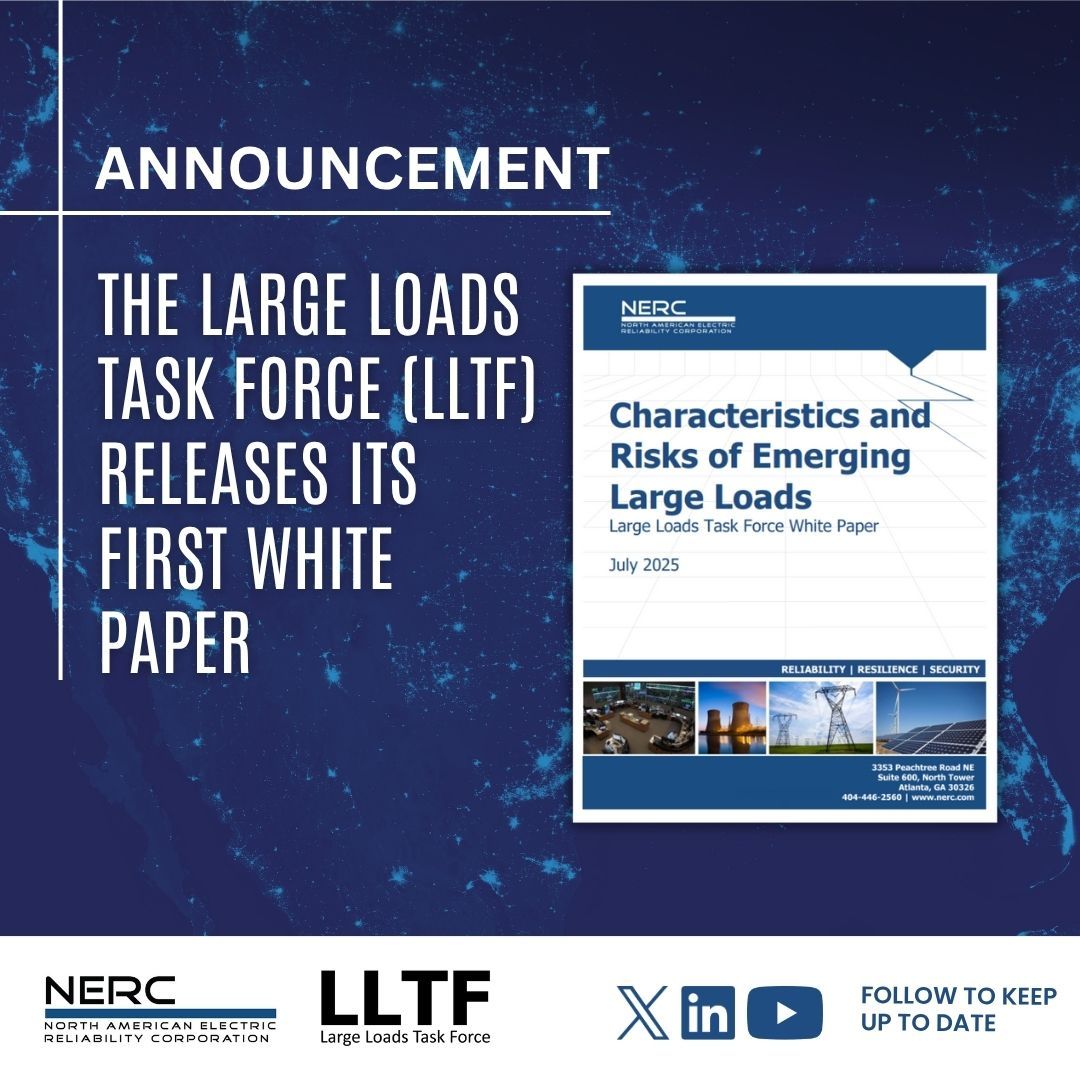
Large energy consumers such as data centers, AI hubs, crypto farms, and hydrogen plants are changing the way electricity is used worldwide. These “mega-loads” bring economic growth but also create new risks for the power grid based on NERC white paper.
This article explores:
What problems these large loads create
Why traditional transformers are not enough
How amorphous and nanocrystalline cores provide the solution
What Problems Do Emerging Large Loads Cause?
1. Harmonics – electrical noise
Power electronics generate harmonics: unwanted signals that heat transformers, waste energy, and shorten lifespan.
2. Reactive Power – grid instability
Cooling systems and drives cause reactive power that “pushes and pulls” on the grid, making voltage harder to stabilize.
3. Rapid Load Fluctuations
AI clusters and mining rigs swing their demand suddenly, creating shocks for the grid.
4. Transformer Overheating
Silicon steel transformers were never designed for these stresses. They overheat, fail early, and increase downtime costs.
Why Are Traditional Transformers Not Enough?
Traditional transformers are mainly built with silicon steel cores, a material that has served the grid reliably for decades. These designs were optimized for steady, predictable power flows—like lighting, motors, and household appliances.
But the new reality is very different:
Nonlinear loads: Data centers and crypto rigs don’t draw current in smooth waves. Instead, they create jagged, pulsed patterns that silicon steel cores struggle with.
High core losses: When harmonics are present, silicon steel cores lose much more energy as heat. This not only wastes electricity but also drives up cooling needs.
Shorter lifespans: Transformers overheat faster and age prematurely. This means more frequent replacements, higher maintenance budgets, and unplanned downtime.
Grid mismatch: Traditional transformers cannot easily adapt to the fast fluctuations of AI clusters or renewable inputs like solar and wind.
👉 In short: the old designs were never made for the “digital” and “green” loads of today.
What Are Amorphous and Nanocrystalline Cores?
These are next-generation magnetic materials designed to meet modern grid demands. Instead of the crystalline structure of silicon steel, they have unique atomic arrangements that reduce losses and handle complex waveforms better.
Amorphous cores
Structure: Atoms are arranged randomly, not in a fixed crystal lattice.
Benefit: This irregularity makes it much harder for magnetic domains to move, which drastically reduces energy lost as heat.
Application: Best for distribution transformers where energy efficiency over 24/7 operation is critical.
Nanocrystalline cores
Structure: Extremely fine grains, on the nanometer scale, giving them unique magnetic softness.
Benefit: Excellent performance at higher frequencies, strong resistance to harmonics, and stable under fluctuating loads.
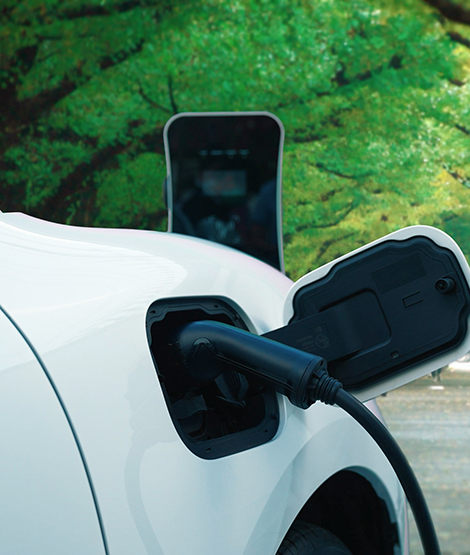
Application: Ideal for reactors, high-performance transformers, and power electronics in AI, EV charging, and renewable energy.
Together, these materials are redefining transformer design. They allow utilities and industries to cut losses by up to 70–80%, improve reliability, and prepare for the electrification and digitalization of everything—from AI to hydrogen.
How Do These Materials Solve the Problem?
Energy efficiency: Reduce wasted energy, supporting global carbon goals.
Harmonic resilience: Keep transformers stable under noisy loads.
Lower temperatures: Prevent overheating and extend lifespan.
Green energy integration: Handle solar and wind variability smoothly.
Applications in the Real World
Data centers & AI hubs: High reliability with lower costs.
Crypto mining & hydrogen plants: Avoid failures, improve ROI.
Urban power grids: Reduce energy losses across entire networks.
Conclusion
Emerging large loads are reshaping electricity demand, but they don’t have to weaken the grid. With amorphous and nanocrystalline core technology, we can make power systems smarter, greener, and more resilient.
👉 Key takeaway: Advanced magnetic materials are no longer optional—they’re essential for the digital and renewable era.
Read More

 Room 701, Jizhou Tongde Street 45, Shijie Town, Dongguan City, Guangdong Province, China
 +86-180 2701 0075
 sales@amorphousoem.com


 IPv6 network supported |
Sitemap
|
XML
|
blogs
|
Privacy Policy
IPv6 network supported |
Sitemap
|
XML
|
blogs
|
Privacy Policy